Where it is used
Metal bodies with covers that arrange UPS, rectifier and regulator modules on shelves or mounting plates.

In UPS, rectifier and regulator cabinets, an orderly layout of different electronic modules and service access come first. The body is shaped by the specified cooling and cable arrangement of the equipment.
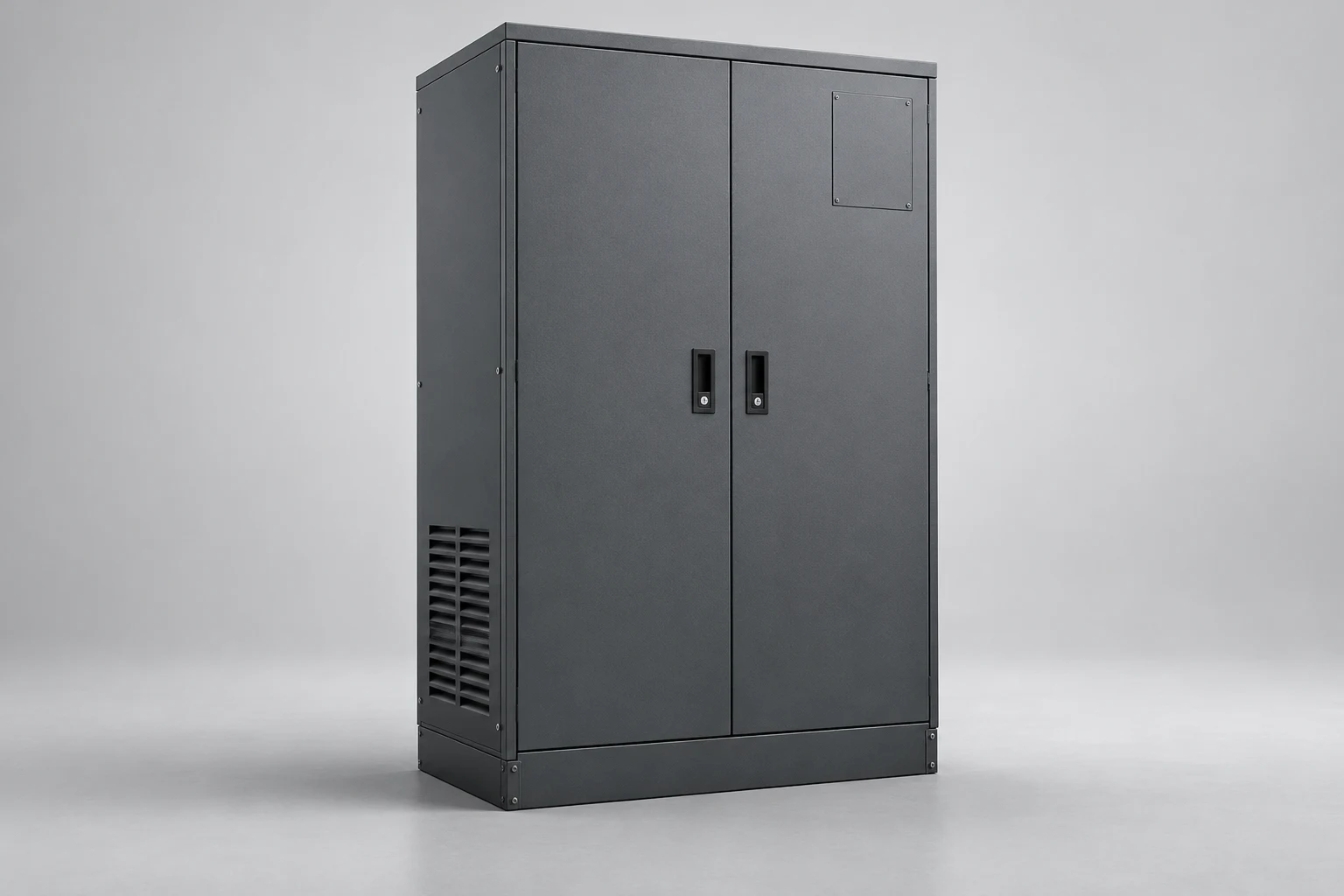
Metal bodies with covers that arrange UPS, rectifier and regulator modules on shelves or mounting plates.
Unlike the module storage layout of a battery cabinet, access to the power conversion hardware and the cooling interfaces come first.
How the product is built and its project-based options. Exact dimensions and materials are defined in the technical review.
| Product / application type | UPS, rectifier and regulator cabinets |
|---|---|
| Body and main components | Floor-standing metal body, doors, removable panels, internal mounting area |
| Material and finish options | Steel / stainless sheet and section options; material grade and thickness are set by the project requirements. |
| Connections and use | Plinth or floor fixing; cable and ventilation openings |
| Dimensions and configuration | Made to measure; width, length, height, sections and quantity are confirmed in the technical review. |
The image is a representative concept. Dimensions, materials and delivery scope are defined per project.
The key choices when adapting the product to your application.
Shelves, mounting plates and fixing holes are made to the dimensions of the modules to be fitted.
Front, rear or side access needs are reviewed together with module removal and cable connection routes.
Fan and vent positions are coordinated with the airflow needs specified by the equipment designer.
Not every detail needs to be ready at the start. Along with existing drawings and dimensions, you can also note the points that are still open.
Project preparation guide →The drawing revision, target quantity and planned timing help assess the scope. You do not need to upload confidential files.
Electronic power conversion and device performance are outside the scope; the mechanical design is assessed with the inputs of the device manufacturer.
Material, finish and assembly decisions are clarified from the drawings and conditions of use. The choice of operations and the form of delivery are written into the quotation.
Material and finish decisions →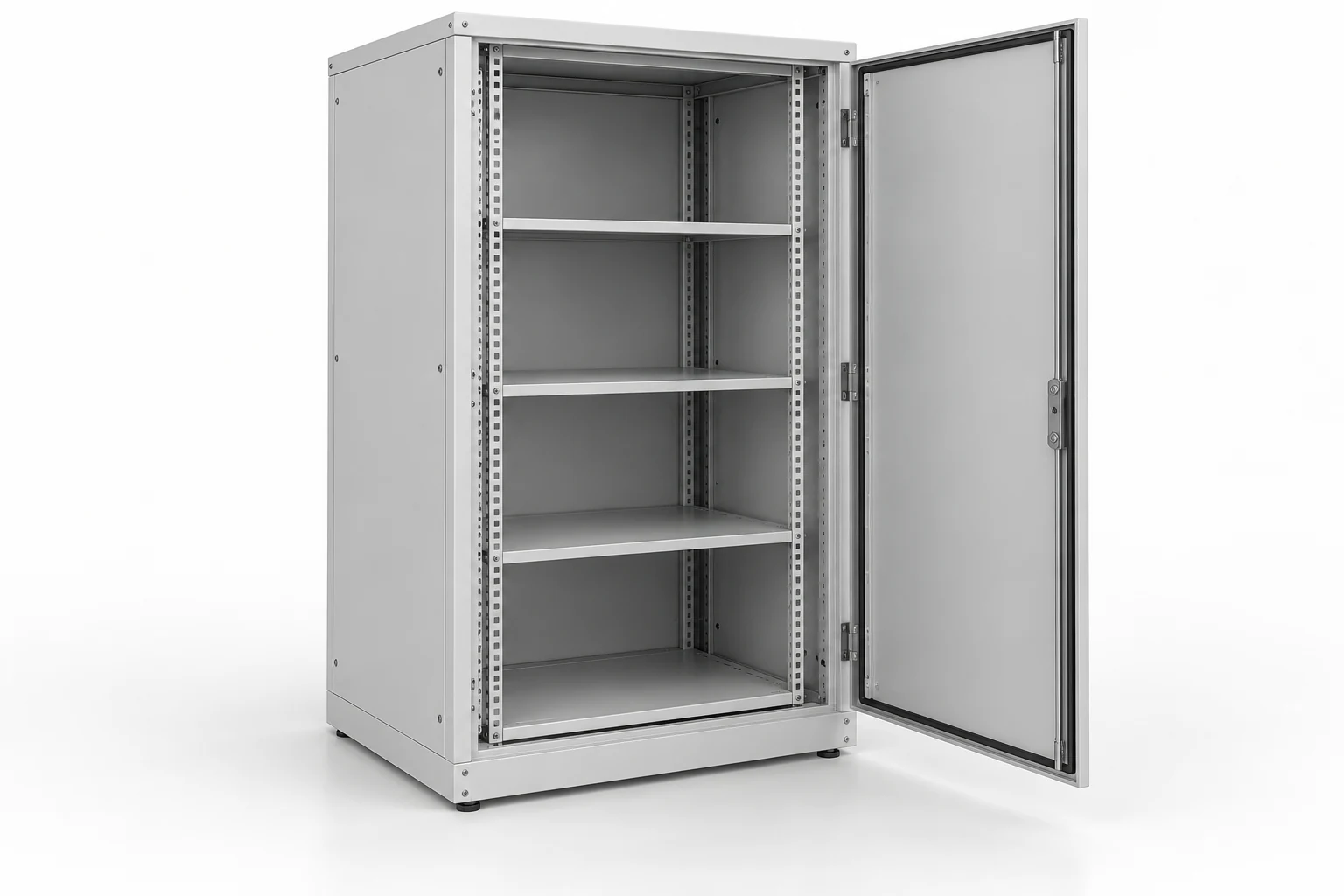 Image & specifications ↗
Battery cabinets support the mechanical layout of modules and the access arrangement.
Product image and specifications →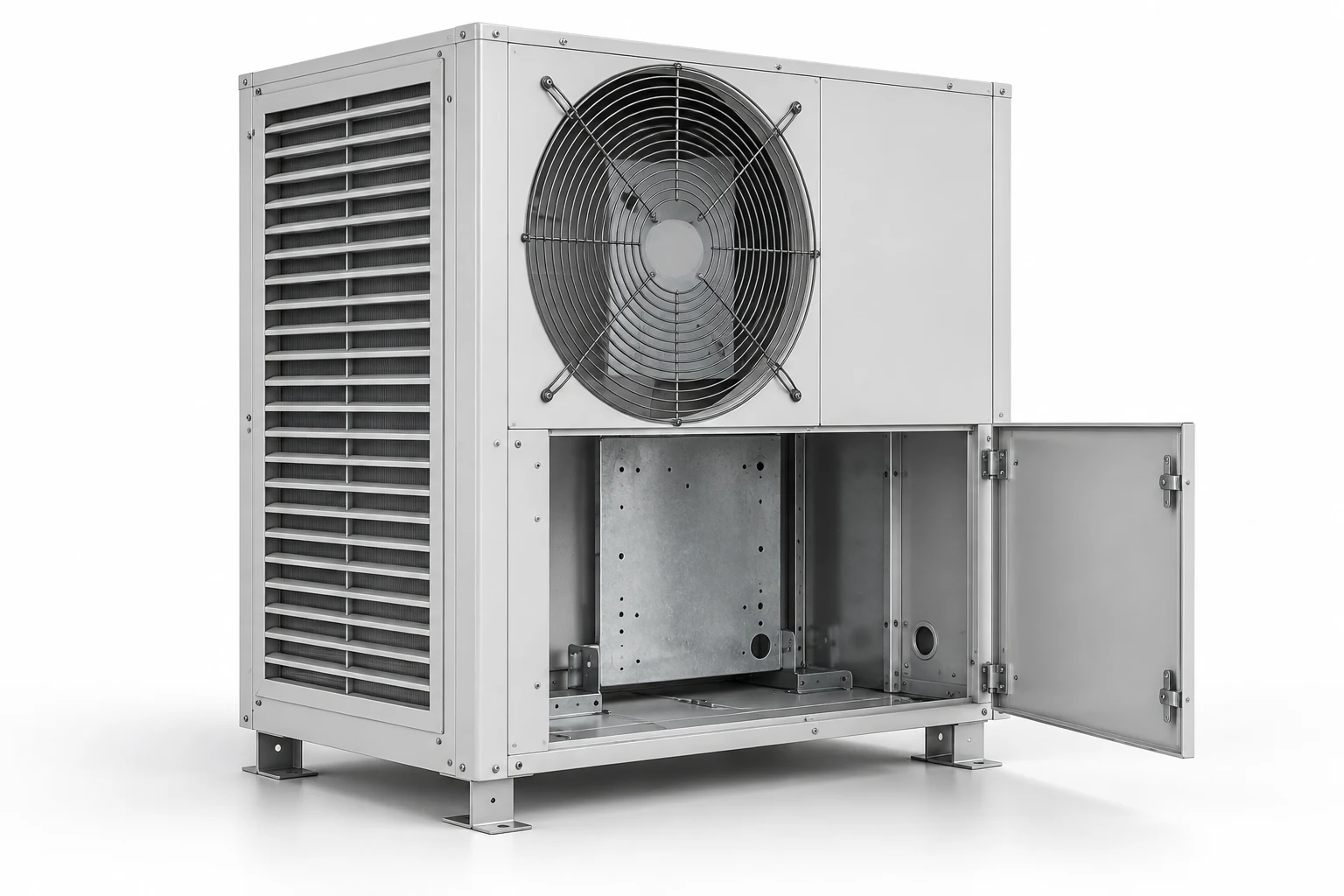 Image & specifications ↗
An enclosure cooling unit housing forms the metal body of the cooling components and their connection interfaces.
Product image and specifications →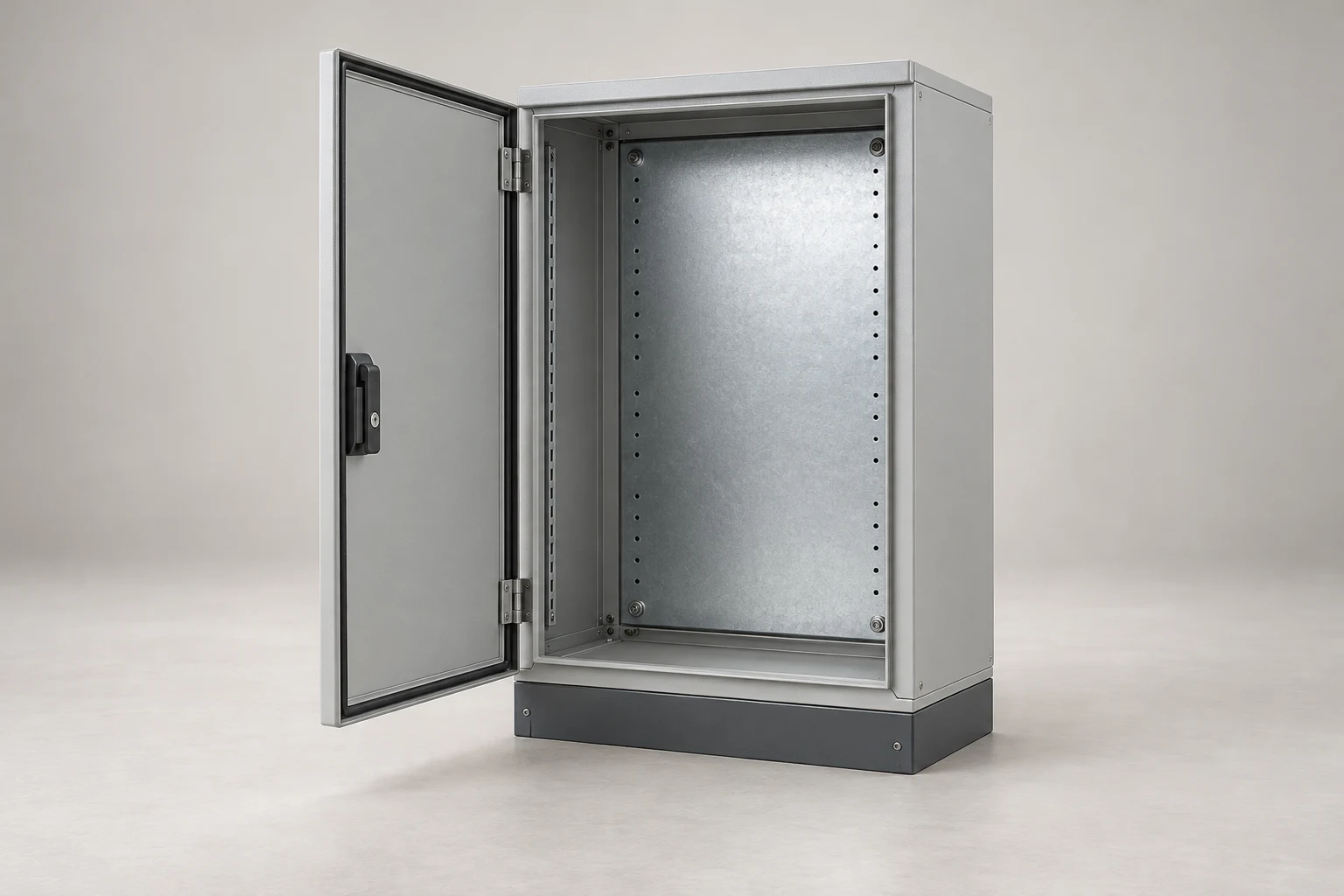 Image & specifications ↗
Custom electrical enclosures and equipment cabinets offer mechanical housing solutions for non-standard hardware layouts.
Product image and specifications →